Rainbow Six Siege Review: A Tactical Multiplayer Masterpiece
A comprehensive Rainbow Six Siege review covering tactical gameplay, destruction, Operators, sound design, live-service content, and its biggest strengths.
Fictionhive Score
Great
Enjoying this? Sign up to earn credits just for reading. Create free account
When Ubisoft first showcased Rainbow Six Siege, it faced a mountain of skepticism. Following the cancellation of the highly anticipated, narrative-driven Rainbow Six: Patriots, Siege arrived as a multiplayer-only, hero-focused tactical shooter. For a franchise historically celebrated for its deeply grounded, gritty, and realistic single-player campaigns, this felt like a jarring departure. Yet, years after its launch, Siege has outlasted its contemporary competitors to become a crowning jewel of competitive multiplayer gaming. It achieves this by shifting the focus from twitch-reflex gunplay to an intricate
Gameplay: Destructive Psychology
At its core, Siege pits two teams of five against one another in high-stakes, objective-based rounds such as bomb defusal, hostage rescue, or area secure. But before a single bullet is fired, matches are won or lost in the critical preparation phase. Defenders scramble to fortify a room, laying down barbed wire, setting traps, and reinforcing walls. Meanwhile, attackers deploy miniature RC drones, buzzing through floorboards and vents to scout the enemy's setup and locate the objective.
+-----------------------------------------------------------------+
|                       THE CORE MATCH LOOP                       |
+-----------------------------------------------------------------+
|  1. PREPARATION PHASE                                           |
|     - Attackers: Scout with remote drones to find objectives.   |
|     - Defenders: Reinforce walls, lay traps, establish sightlines.|
+-----------------------------------------------------------------+
|  2. ACTION PHASE                                                |
|     - Attackers: Breach surfaces, clear rooms, execute plans.    |
|     - Defenders: Hold angles, adapt to breaches, ambush foes.   |
+-----------------------------------------------------------------+
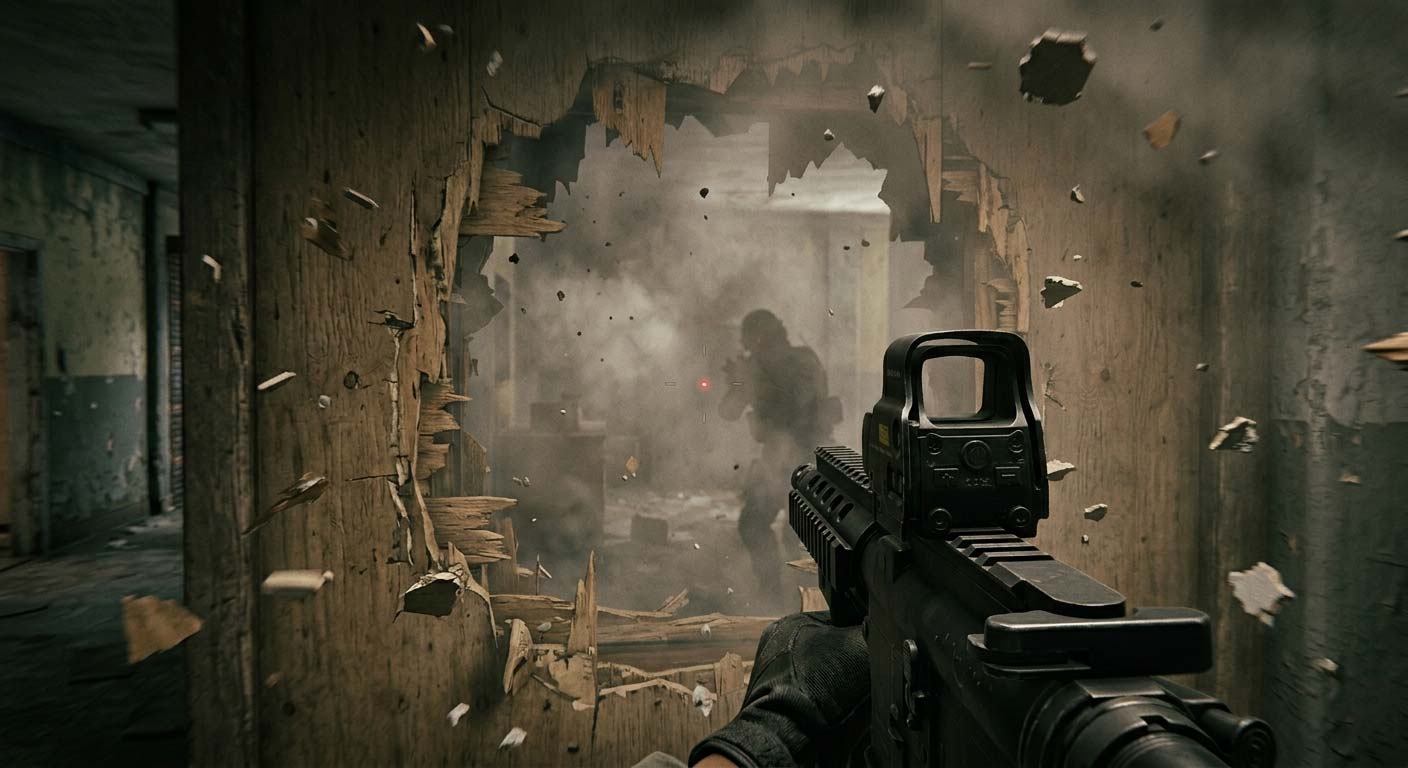
What sets Siege apart from standard first-person shooters is its brilliant implementation of environmental destruction. Practically every unreinforced wall, ceiling, and floor is a canvas for chaos. If an enemy is holding a tight angle behind a door, you don’t need to walk through it; you can simply blast a brand-new line of sight right through the drywall. This creates a brilliant level of tactical depth, forcing players to think three-dimensionally. Every map becomes a complex labyrinth where danger can shatter through the ceiling or erupt from beneath your feet.
While the franchise has undeniably traded its classic, hyper-realistic simulation roots for a slightly more arcade-like flow, the gunplay remains lethal and punchy. Weapons carry distinct recoil profiles and massive damage potential, meaning patience and precise positioning consistently triumph over reckless, run-and-gun rushing.
The Operators: Dynamic Synergies
Instead of generic soldiers, players choose from a massive, diverse roster of "Operators" specialized counter-terrorist agents originating from various global units. Each operator brings a completely unique gadget to the table, transforming the game into a tactical hero-shooter.
The magic of Siege lies in how these abilities interact:
The Attacking Synergy: An attacker like Thermite can melt through reinforced steel walls, but his charges can be easily short-circuited by a defender's electronic jammer. To counter this, a teammate can pick Thatcher, utilizing EMP grenades to disable the jammer and clear the path for Thermite’s signature "big fucking hole".
The Defensive Web: On defense, Mute can scramble attacker drone signals, while Frost can lay mechanical snap-traps beneath windows to catch unsuspecting attackers who leap blindly through the barricades.
Operator | Role | Signature Gadget | Counter-Play Utility |
|---|---|---|---|
Thermite | Attack | Exothermic Breaching Charge | Destroys reinforced walls to create new entry points. |
Thatcher | Attack | EMP Grenades | Disables defender electronics and signal disruptors. |
Mute | Defense | Signal Disruptor | Jams remote drones and remote detonation charges. |
Frost | Defense | Welcome Mat (Mechanical Trap) | Incapacitates attackers stepping through windows or shields. |
This constant push-and-pull creates an evolving meta where older characters regularly find new life as direct counters to newly introduced DLC operators.
Presentation: Sound as a Weapon
Visually, Siege delivers a clean, gritty, and realistic aesthetic. It may not be the most visually breathtaking game on the market, but its beauty shines brightest in the micro-details of its destruction: the way wood splinters under gunfire, concrete crumbles from C4, and dynamic lighting realistically shifts when peering from a bright outdoor courtyard into a pitch-black room.
However, the true crowning achievement of Siege’s presentation is its sound design. Ubisoft utilizes an incredibly sophisticated directional audio system. Sound doesn't just travel through walls; it propagates realistically through open doorways, holes, and halls. A seasoned player can discern an enemy's exact location, armor type, and remaining distance purely by listening to the distinct thud of footsteps or the unique audio pop of a specific gadget being deployed. It infuses the game with an eerie, quiet tension that mirrors a horror movie, right up until the silence is shattered by a breach.
The Long Road: Content and Community
Siege is explicitly designed as a live-service competitive esport, meaning its traditional single-player content is nearly non-existent. Lone wolf players looking for a narrative campaign will find only "Situations" short, solo scenario missions that effectively serve as a glorified tutorial for multiplayer mechanics.
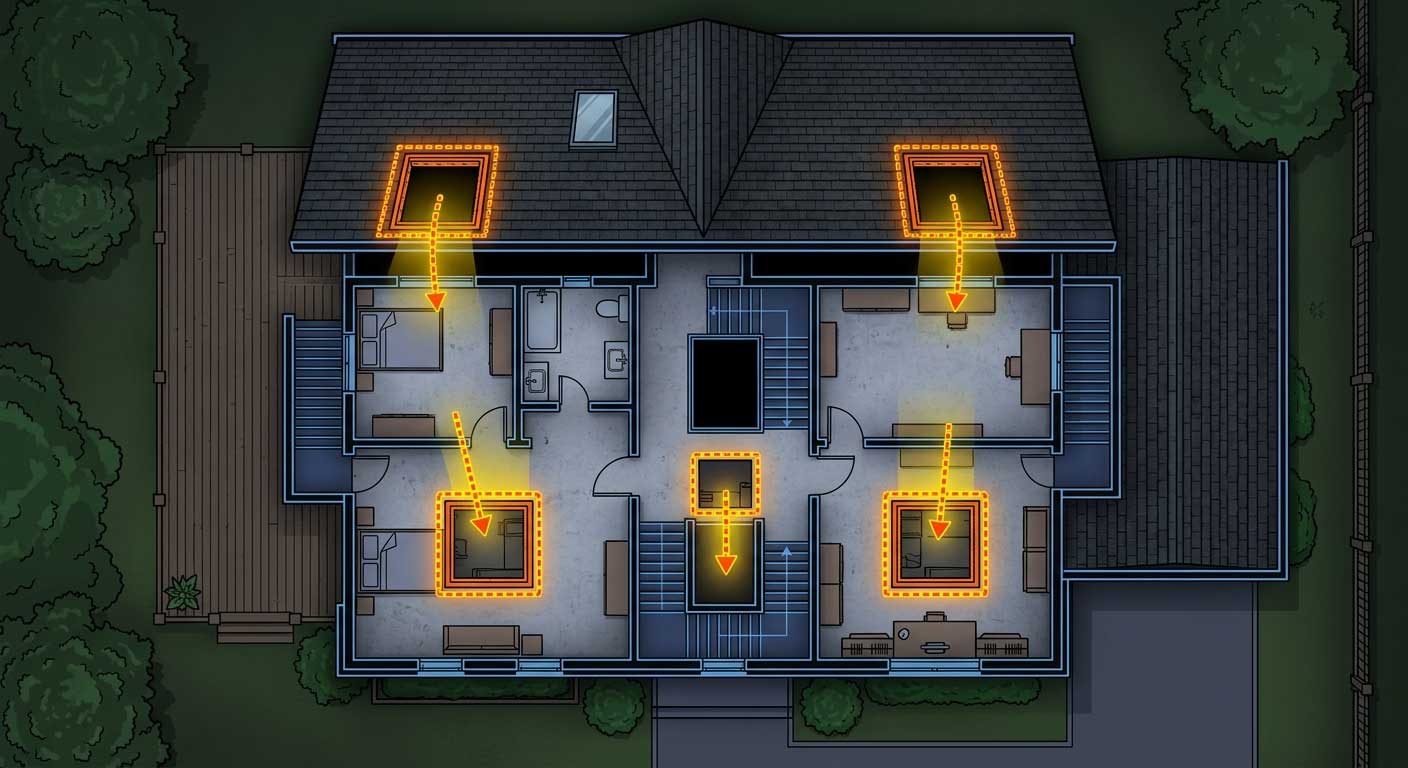
Map knowledge is everything. Learning the verticality and structural flaws of each layout is the true key to progression.
Over the years, Ubisoft has shown immense dedication to refining this multiplayer ecosystem. They have aggressively tackled community toxicity by introducing features like friendly-fire reversal, and they have completely overhauled older, unbalanced maps to ensure competitive integrity.
The game’s monetization structure does draw some valid criticism. While maps are free and all operators can technically be unlocked using "Renown" the currency earned simply by playing saving up for newer DLC characters can feel like an immense grind. The layering of seasonal battle passes on top of premium cosmetics can feel a bit egregious, though thankfully, none of these microtransactions offer a gameplay advantage.
Final Verdict
Rainbow Six Siege is a rare triumph in the modern multiplayer landscape. It demands a steep learning curve, requiring players to memorize complex map layouts, understand intricate character synergies, and maintain constant microphone communication with teammates. It can be stressful, intensely focused, and occasionally punishing.
Yet, when a plan perfectly comes together when a coordinated breach catches the enemy completely off guard—Siege delivers an intoxicating high that few other shooters can match. By valuing psychology and creativity over raw reflex, it stands tall as one of the best tactical multiplayer experiences ever crafted.
Score: 8.5 / 10
Create a free account to react and start earning credits. Sign up

Be the first to comment (0)
Sign in to comment — you'll come straight back here.